
Finding the sweet spot between delicious meals and optimal nutrition can feel like walking a tightrope, especially when cooking methods dramatically impact nutrient retention.

🍳 The Hidden Cost of Cooking: Where Our Nutrients Disappear
Every time we apply heat to our food, we initiate a complex series of chemical reactions that transform not just the texture and flavor, but also the nutritional composition. Understanding these transformations is essential for anyone looking to maximize their dietary benefits without sacrificing the joy of eating flavorful meals.
The reality is that cooking is both a blessing and a curse for nutrition. While heat makes many foods safer and more digestible, it simultaneously degrades certain vitamins and minerals. This paradox sits at the heart of the balancing act between flavor development and nutrient preservation.
Water-soluble vitamins like vitamin C and B-complex vitamins are particularly vulnerable to heat exposure. Studies show that boiling vegetables can result in nutrient losses ranging from 15% to 55%, depending on the cooking time and temperature. Meanwhile, fat-soluble vitamins A, D, E, and K tend to be more stable but can still degrade with prolonged cooking at high temperatures.
🥗 Understanding the Nutrient Retention Hierarchy
Not all nutrients respond equally to cooking methods. Some actually become more bioavailable when heated, creating an interesting dilemma for health-conscious cooks. Lycopene in tomatoes, for instance, becomes more accessible to our bodies when cooked, despite some vitamin C loss occurring simultaneously.
Beta-carotene in carrots follows a similar pattern. Light steaming or sautéing can actually increase the bioavailability of this important antioxidant by breaking down the tough cellular walls that would otherwise keep it locked away from our digestive system.
The Vitamin Vulnerability Scale
Understanding which nutrients are most susceptible to cooking damage helps us make informed decisions about preparation methods:
- Highly vulnerable: Vitamin C, Thiamine (B1), Folate (B9)
- Moderately vulnerable: Vitamin B6, Vitamin B12, Vitamin E
- More stable: Vitamin A, Vitamin D, Vitamin K, minerals like iron and calcium
- Enhanced by cooking: Lycopene, beta-carotene, certain antioxidants
🔥 Cooking Methods: The Good, The Bad, and The Nutrient-Depleting
The way we cook matters enormously when it comes to preserving nutritional value. Each cooking method creates a unique set of tradeoffs between flavor enhancement and nutrient retention.
Steaming: The Gentle Giant
Steaming represents one of the best methods for nutrient retention, preserving up to 90% of water-soluble vitamins in many vegetables. The indirect heat and minimal water contact prevent nutrients from leaching out. The downside? Some people find steamed foods bland, which can reduce overall diet adherence and enjoyment.
The flavor challenge with steaming can be addressed through strategic seasoning after cooking, using herb-infused steaming liquids, or incorporating aromatic ingredients like ginger, garlic, or lemongrass into the steaming water.
Boiling: The Double-Edged Sword
Boiling vegetables in large amounts of water creates maximum nutrient loss, with water-soluble vitamins literally dissolving into the cooking water. However, when making soups or stews where you consume the cooking liquid, this method becomes surprisingly efficient at nutrient retention.
The key is understanding context. Boiling potatoes and discarding the water wastes nutrients. Making a vegetable soup where every drop is consumed captures those same nutrients in the final dish.
Roasting and Baking: Flavor Concentration with Caveats
High-heat roasting concentrates flavors through caramelization and the Maillard reaction, creating incredibly delicious results. The dry heat causes some vitamin degradation, but the tradeoff often feels worthwhile given the enhanced palatability that encourages vegetable consumption.
Roasted Brussels sprouts, for example, might lose 25% of their vitamin C content, but if roasting transforms them from something you’d never eat into a dish you crave, the net nutritional benefit is positive.
Sautéing and Stir-Frying: The Speed Advantage
Quick cooking at high heat minimizes nutrient loss through reduced cooking time. Stir-frying vegetables for three to five minutes preserves texture, flavor, and a significant portion of heat-sensitive vitamins. The addition of healthy fats also enhances absorption of fat-soluble nutrients.
The brief exposure to high heat, combined with constant movement that prevents overcooking any particular piece, makes stir-frying an excellent compromise between flavor and nutrition.
💡 Smart Strategies for Maximum Nutrient Retention
Beyond choosing cooking methods wisely, several techniques can help preserve nutritional value while maintaining or enhancing flavor profiles.
Cut Strategically, Cook Quickly
Larger vegetable pieces expose less surface area to heat and water, reducing nutrient loss. However, larger pieces also require longer cooking times, which can negate this benefit. The solution involves finding the sweet spot where pieces are large enough to protect nutrients but small enough to cook quickly.
Cutting vegetables into uniform sizes ensures even cooking, preventing some pieces from overcooking while others remain underdone. This consistency helps optimize both texture and nutrient retention across the entire dish.
Use the Right Amount of Water
When boiling or blanching, use the minimum water necessary to cover the food. Less water means fewer nutrients can leach out, and any nutrients that do escape remain more concentrated in the cooking liquid, which you can potentially use for other purposes.
Consider saving vegetable cooking water for use in soups, sauces, or even watering plants. This “pot liquor” contains valuable nutrients that would otherwise be discarded.
Don’t Overcook: The Color Test
Vegetables should retain vibrant colors after cooking. When green vegetables turn olive or brown, or when orange vegetables become pale, you’ve likely overcooked them and destroyed significant nutrients. Bright colors indicate that cell structures remain relatively intact and nutrients better preserved.
🎯 The Flavor Factor: Why Taste Matters for Nutrition
Here’s a truth often overlooked in nutritional discussions: the most nutritious food in the world provides zero benefit if you don’t eat it. Flavor isn’t just about pleasure; it’s about creating sustainable eating patterns that support long-term health.
Research consistently shows that people who enjoy their healthy foods consume them more regularly and in larger quantities than those who view nutritious eating as a flavorless obligation. This psychological dimension of nutrition deserves serious consideration when making cooking choices.
Creating Flavor Without Nutrient Sacrifice
The good news is that flavor and nutrition aren’t always at odds. Many techniques enhance taste without compromising nutritional value:
- Add fresh herbs and spices after cooking to preserve their volatile compounds
- Use citrus zest and juice to brighten flavors while adding vitamin C
- Incorporate umami-rich ingredients like mushrooms, tomatoes, and aged cheeses
- Toast nuts and seeds briefly to enhance flavor with minimal nutrient loss
- Layer flavors through strategic seasoning at multiple cooking stages
📊 Making Practical Tradeoff Decisions
Real-world cooking requires pragmatic decision-making rather than perfectionism. The goal isn’t to preserve every possible nutrient but to create an overall dietary pattern that’s both nutritious and sustainable.
Consider your personal circumstances: cooking time available, kitchen equipment, family preferences, and budget. A slightly less nutritious preparation method that you’ll actually use regularly beats a theoretically superior technique that proves too complicated or time-consuming for regular implementation.
The 80/20 Rule in Nutritious Cooking
Applying the Pareto principle to cooking means focusing on the methods that preserve 80% of nutrients with 20% of the effort. For most people, this means steaming or quick-sautéing vegetables most of the time, while occasionally using longer-cooking methods when flavor goals justify the nutritional tradeoff.
Don’t let perfect be the enemy of good. A roasted vegetable you’ll eat enthusiastically is better than a perfectly steamed one that sits untouched on your plate.
🥘 Food-Specific Optimization Strategies
Different foods respond differently to various cooking methods, allowing for tailored approaches that maximize both nutrition and flavor.
Cruciferous Vegetables
Broccoli, cauliflower, and Brussels sprouts contain glucosinolates that convert to beneficial compounds like sulforaphane. Light steaming for three to four minutes maximizes these compounds while preserving vitamin C. Overcooking destroys the enzyme needed for this conversion, reducing health benefits.
Tomatoes and Carrots
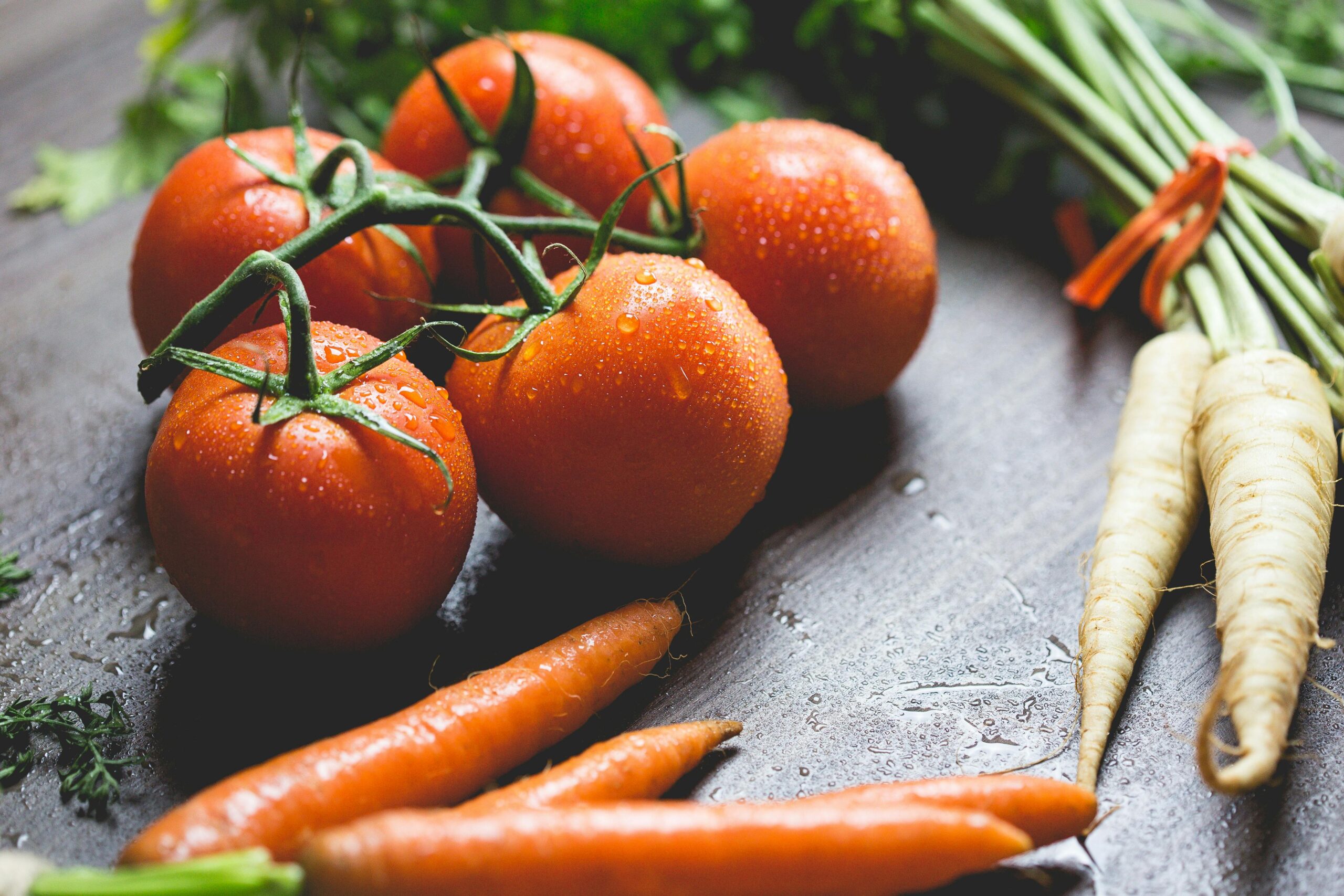
These vegetables benefit from cooking, which increases antioxidant availability. Don’t worry about vitamin C loss in tomatoes—the enhanced lycopene absorption more than compensates. Cooking carrots with a small amount of fat maximizes beta-carotene absorption.
Leafy Greens
Spinach, kale, and chard can be eaten raw or lightly cooked. Brief sautéing wilts them while preserving most nutrients and reducing volume, making it easier to consume larger quantities. The slight nutrient loss is offset by increased overall consumption.
Protein Sources
Meat, poultry, and fish are generally nutrient-stable during cooking, though high-heat methods can create potentially harmful compounds. Moderate-temperature cooking methods like baking at 350°F or gentle poaching preserve amino acids while ensuring food safety.
🌟 Beyond Cooking: Storage and Preparation Factors
Nutrient retention begins before cooking even starts. How you store and prepare ingredients significantly impacts their nutritional value by the time they reach your plate.
Fresh produce begins losing nutrients immediately after harvest. Storing vegetables properly—in the crisper drawer at appropriate humidity levels—slows this degradation. Some frozen vegetables actually contain more nutrients than fresh ones that have traveled long distances or sat in storage for weeks.
Cutting and chopping exposes more surface area to oxygen, accelerating nutrient degradation. Prepare vegetables close to cooking time rather than hours in advance. If you must prep ahead, store cut vegetables in airtight containers with minimal air exposure.
🍽️ Creating Your Personalized Nutrition-Flavor Balance
The optimal balance between flavor and nutrition is deeply personal, depending on your health goals, taste preferences, cooking skills, and lifestyle constraints. Someone managing a specific health condition might prioritize maximum nutrient retention, while someone struggling to eat enough vegetables might benefit from flavor-forward preparations that encourage consumption.
Experiment with different methods for the same vegetable. Notice which preparations you actually eat and enjoy versus those that technically preserve more nutrients but never make it into your regular rotation. Track how different cooking methods affect your energy levels, satiation, and overall satisfaction with meals.
Building a Sustainable Approach
Develop a repertoire of go-to cooking methods that balance your priorities effectively. Perhaps you steam vegetables three nights a week, roast them twice, and enjoy raw salads twice. This variety ensures you’re capturing benefits from different preparation methods while maintaining dietary interest.
Remember that consistency beats perfection. Eating a variety of vegetables prepared through different methods, even if not always optimal, delivers far better nutrition than obsessing over perfect technique and burning out on restrictive approaches.
🔬 The Science Continues Evolving
Our understanding of nutrient retention and bioavailability continues advancing. Recent research reveals that the interaction between different nutrients, cooking methods, and individual digestive systems creates more complexity than previously understood.
What remains clear is that eating a diverse diet of minimally processed whole foods, prepared through various methods, provides the nutritional foundation for good health. The specific cooking technique for any single meal matters less than the overall pattern of food choices over time.
Stay informed about new research, but don’t let information overload paralyze your cooking decisions. Apply the fundamentals—minimize overcooking, preserve cooking liquids when possible, eat the rainbow of colorful vegetables, and find preparations you genuinely enjoy.
🎨 Making Peace with Imperfection
The quest for perfectly balanced nutrition and flavor can become counterproductive if it creates stress or makes cooking feel like a chemistry experiment rather than a creative, nourishing activity. Food is meant to be enjoyed, shared, and celebrated, not just optimized.
Some meals will prioritize comfort and flavor. Others will emphasize maximum nutrition. Most will fall somewhere in between, and that’s not just acceptable—it’s ideal for creating a sustainable, health-supporting relationship with food.
Trust that your body is remarkably adaptable and capable of extracting nutrition from foods prepared in various ways. Focus on the big picture: eating regularly, choosing whole foods most of the time, and finding joy in the process of feeding yourself and others well.
The true art of balancing flavor and nutrition lies not in rigid adherence to optimal cooking methods but in developing flexible skills and knowledge that allow you to make informed choices appropriate to each situation. Sometimes you’ll steam vegetables for maximum nutrient retention. Other times you’ll roast them to caramelized perfection because that’s what will bring satisfaction to your meal and keep you coming back to nutritious choices day after day. Both approaches have their place in a well-rounded, health-supporting diet.