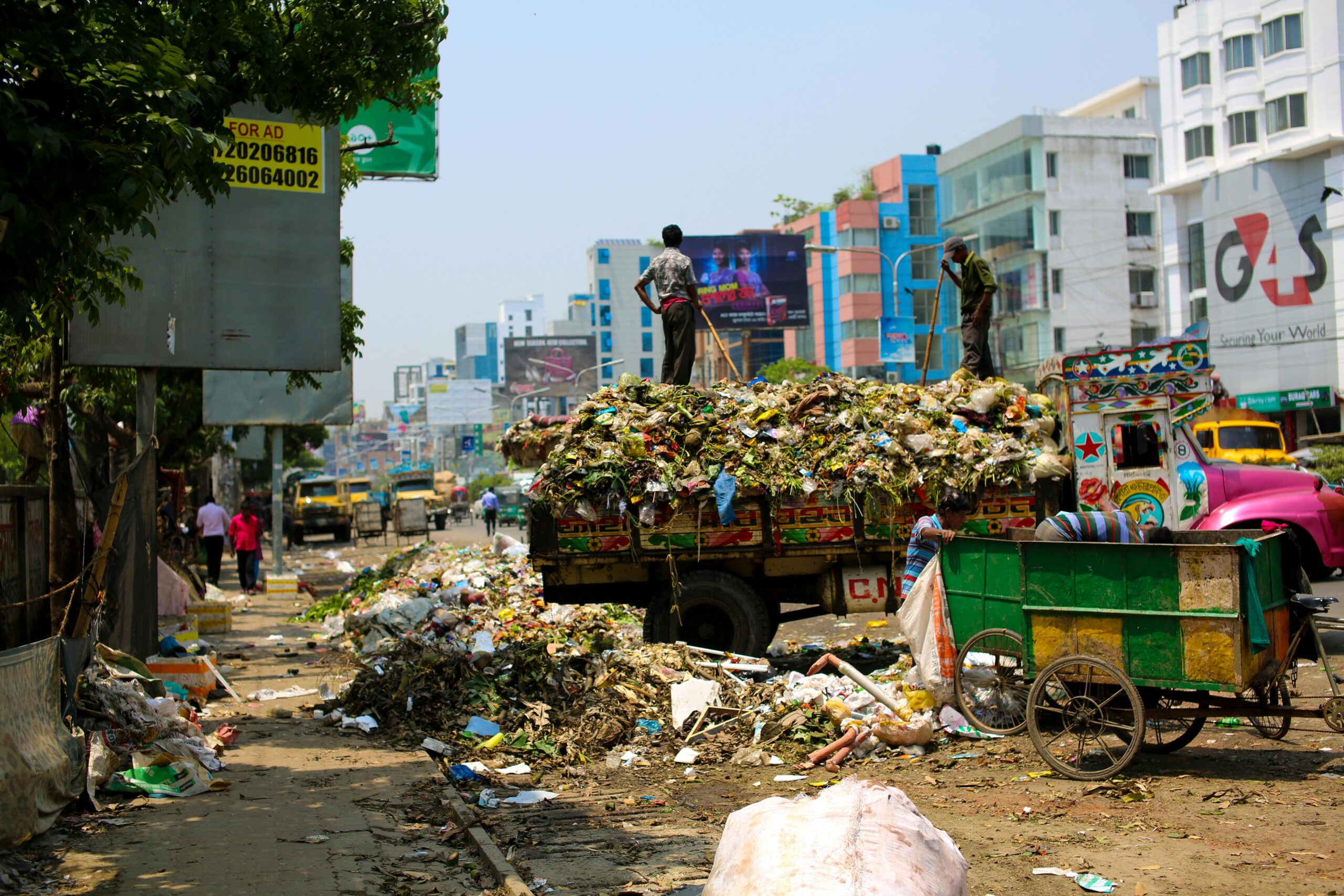
Material flow planning is the backbone of modern supply chain management, enabling businesses to optimize resources, reduce waste, and achieve operational excellence in competitive markets.

🔄 Understanding Material Flow Planning in Modern Operations
Material flow planning represents a systematic approach to managing the movement of raw materials, work-in-progress inventory, and finished goods throughout the production process. This critical discipline bridges the gap between procurement, manufacturing, and distribution, ensuring that materials arrive at the right place, at the right time, and in the right quantities.
Organizations that master material flow planning gain significant competitive advantages. They experience fewer production bottlenecks, reduced carrying costs, improved customer satisfaction, and enhanced profitability. The process involves analyzing current material movements, identifying inefficiencies, and implementing strategies that create seamless flows from suppliers to end customers.
The complexity of material flow planning has increased dramatically with globalization, lean manufacturing principles, and just-in-time delivery expectations. Companies must now coordinate multiple suppliers, manage diverse product portfolios, and respond rapidly to market changes while maintaining cost efficiency and service quality.
📊 The Foundation: Mapping Your Current Material Flow
Before implementing improvements, organizations must thoroughly understand their existing material flows. This begins with comprehensive mapping that documents every touchpoint where materials move, wait, or undergo transformation. Value stream mapping serves as an invaluable tool for visualizing these processes and identifying areas of waste.
Effective material flow mapping captures several critical elements:
- Supplier delivery schedules and lead times
- Receiving and inspection processes
- Storage locations and inventory holding patterns
- Production sequence and material consumption rates
- Quality control checkpoints
- Packaging and shipping procedures
- Transportation methods and routes
This diagnostic phase reveals hidden inefficiencies such as excessive handling, redundant movements, unnecessary storage points, and misaligned production schedules. Many organizations discover that materials spend more time waiting than being actively processed—a clear indicator of optimization opportunities.
Identifying Bottlenecks and Constraints
Every material flow system contains constraints that limit overall throughput. According to the Theory of Constraints, improving non-bottleneck areas provides minimal benefit until the primary constraint is addressed. Successful material flow planning prioritizes these bottlenecks for immediate attention.
Common bottlenecks include equipment capacity limitations, labor shortages, information delays, inadequate storage space, and transportation constraints. Sophisticated analysis techniques like discrete event simulation help predict how changes will impact system performance before committing resources to implementation.
🎯 Strategic Planning Principles for Optimal Material Flow
Developing an effective material flow strategy requires balancing multiple objectives. Organizations must minimize costs while maintaining service levels, reduce inventory without risking stockouts, and increase throughput without compromising quality. These competing priorities demand systematic decision-making frameworks.
The pull system philosophy represents a fundamental shift from traditional push-based planning. Rather than forecasting demand and producing accordingly, pull systems respond to actual consumption signals. Materials move through the system only when needed, dramatically reducing excess inventory and improving responsiveness to market changes.
Demand-Driven Material Requirements Planning
Demand-Driven Material Requirements Planning (DDMRP) has emerged as a powerful methodology for managing material flows in volatile environments. This approach strategically positions inventory buffers at critical decoupling points, protecting the system from variability while maintaining flow efficiency.
DDMRP replaces traditional forecast-driven planning with actual demand signals, reducing the bullwhip effect that amplifies demand variability throughout supply chains. Organizations implementing DDMRP typically experience 30-50% reductions in inventory levels alongside improved on-time delivery performance.
⚙️ Technology Solutions Enabling Superior Material Flow
Digital transformation has revolutionized material flow planning capabilities. Enterprise Resource Planning (ERP) systems integrate financial, operational, and supply chain data, providing real-time visibility across the organization. Advanced Planning and Scheduling (APS) solutions optimize production sequences while considering material availability, capacity constraints, and customer priorities.
Warehouse Management Systems (WMS) orchestrate material movements within facilities, directing putaway, picking, and replenishment activities. These systems minimize travel distances, balance workload distribution, and ensure first-in-first-out (FIFO) rotation for time-sensitive materials.
Radio Frequency Identification (RFID) and Internet of Things (IoT) sensors enable automated tracking without manual scanning. Materials broadcast their location and status continuously, eliminating information delays and improving inventory accuracy. This real-time visibility supports proactive decision-making rather than reactive problem-solving.
Artificial Intelligence and Machine Learning Applications
Artificial intelligence is transforming material flow planning from reactive to predictive. Machine learning algorithms analyze historical patterns, seasonal trends, and external factors to generate more accurate demand forecasts. These systems continuously learn from forecast errors, improving accuracy over time.
AI-powered optimization engines evaluate millions of scenarios to recommend optimal material flow decisions. They consider complex constraints, changing priorities, and trade-offs that exceed human analytical capacity. Organizations leveraging AI in material flow planning report 15-25% improvements in operational efficiency.
🏭 Implementing Physical Infrastructure for Efficient Flow
Technology alone cannot overcome poorly designed physical infrastructure. Facility layout profoundly impacts material flow efficiency. The optimal design minimizes transportation distances, eliminates cross-traffic, and sequences operations logically according to product routings.
Cellular manufacturing arrangements group equipment based on product families rather than functional departments. This approach reduces material travel distances, simplifies scheduling, and improves communication among team members. Materials flow smoothly through dedicated cells rather than zigzagging across large facilities.
| Layout Type | Best Suited For | Material Flow Characteristics |
|---|---|---|
| Process Layout | High variety, low volume | Flexible but complex routing |
| Product Layout | High volume, low variety | Straight-line, efficient flow |
| Cellular Layout | Moderate variety and volume | Grouped flow by product family |
| Fixed Position | Large, immobile products | Materials come to product |
Material Handling Equipment Selection
Appropriate material handling equipment is essential for efficient flow. Conveyor systems provide continuous, automated transport for high-volume operations. Automated Guided Vehicles (AGVs) and Autonomous Mobile Robots (AMRs) offer flexibility for dynamic environments where routing changes frequently.
The selection process must consider material characteristics, volume requirements, space constraints, and integration with existing systems. Over-automation can create inflexibility, while under-investment in handling equipment increases labor costs and error rates.
📈 Measuring and Monitoring Material Flow Performance
Continuous improvement requires robust performance measurement. Organizations should establish Key Performance Indicators (KPIs) that reflect material flow efficiency and align with strategic objectives. These metrics provide early warning of emerging problems and validate improvement initiatives.
Critical material flow metrics include:
- Inventory turnover ratio and days on hand
- Order fulfillment cycle time
- Material velocity through production stages
- Perfect order rate (complete, on-time, damage-free)
- Material handling costs per unit
- Space utilization efficiency
- Stockout frequency and duration
Leading organizations implement visual management systems that display performance metrics prominently throughout facilities. Real-time dashboards enable immediate response to deviations, preventing small issues from escalating into major disruptions.
🌱 Sustainability Through Intelligent Material Flow
Material flow planning directly impacts environmental sustainability. Optimized flows reduce transportation distances, lowering fuel consumption and greenhouse gas emissions. Improved inventory management decreases waste from obsolescence and damage. Circular economy principles integrate reverse logistics for product returns, repairs, and recycling.
Sustainable material flow planning extends beyond internal operations to encompass entire supply chains. Organizations collaborate with suppliers to reduce packaging, consolidate shipments, and select environmentally preferable transportation modes. These initiatives simultaneously reduce costs and environmental impact.
Designing for Circular Material Flows
Traditional linear material flows follow a “take-make-dispose” pattern that depletes resources and generates waste. Circular flows design products for disassembly, reuse components, and recover materials at end-of-life. This approach requires planning reverse logistics alongside forward flows.
Companies implementing circular material flows establish collection networks, refurbishment facilities, and material recovery processes. These systems transform waste streams into valuable inputs, reducing raw material costs while minimizing environmental impact. The Ellen MacArthur Foundation estimates circular economy approaches could generate $4.5 trillion in economic benefits by 2030.
🤝 Collaboration and Integration Across the Supply Chain
Material flow planning cannot succeed in isolation. Effective execution requires seamless coordination with suppliers, logistics providers, and customers. Information sharing, synchronized planning, and aligned incentives create integrated supply chains that outperform fragmented competitors.
Vendor Managed Inventory (VMI) programs transfer replenishment responsibility to suppliers, who monitor consumption and maintain agreed inventory levels. This arrangement reduces administrative burden, improves fill rates, and decreases safety stock requirements. Trust and transparent information sharing are prerequisites for successful VMI implementation.
Collaborative Planning, Forecasting, and Replenishment (CPFR) extends integration further by jointly developing forecasts and plans with trading partners. This approach reduces forecast error, aligns promotional activities, and prevents supply-demand mismatches that create bullwhip effects.
🚀 Advanced Strategies for Material Flow Excellence
Organizations seeking competitive differentiation through material flow planning implement advanced strategies that go beyond basic optimization. Postponement strategies delay final product configuration until customer orders are received, reducing finished goods inventory while maintaining service levels.
Cross-docking eliminates storage by transferring materials directly from receiving to shipping. This strategy suits products with predictable demand and enables rapid throughput. However, successful cross-docking requires precise coordination, reliable suppliers, and sophisticated information systems.
Dynamic Slotting and Adaptive Layouts
Traditional warehouse slotting assigns products to fixed locations based on historical pick frequencies. Dynamic slotting continuously analyzes demand patterns and automatically reassigns products to optimal locations. Fast-moving items occupy the most accessible positions, minimizing travel time and improving productivity.
Some advanced facilities implement modular layouts that physically reconfigure based on seasonal demand patterns or product mix changes. Mobile racking systems, flexible conveyor segments, and movable workstations enable rapid adaptation without permanent infrastructure changes.
💡 Overcoming Common Material Flow Planning Challenges
Despite best intentions, organizations encounter obstacles when implementing material flow improvements. Resistance to change represents a significant barrier, particularly when new processes alter established work patterns. Successful change management communicates benefits clearly, involves affected employees in design, and provides comprehensive training.
Data quality issues undermine planning effectiveness. Inaccurate inventory records, incomplete product information, and unreliable transaction data lead to poor decisions. Organizations must invest in data governance, cycle counting programs, and system discipline to maintain information integrity.
Legacy systems and technical debt constrain innovation. Outdated software lacks integration capabilities, real-time processing, and modern user interfaces. While complete system replacement may be impractical, targeted upgrades, middleware solutions, and cloud-based applications can extend existing investments while enabling new capabilities.
🎓 Building Organizational Capability in Material Flow Planning
Sustainable success requires developing internal expertise rather than relying exclusively on external consultants. Organizations should establish centers of excellence that standardize methodologies, share best practices, and develop talent. Formal training programs, certifications, and communities of practice accelerate capability building.
Cross-functional teams bring diverse perspectives to material flow challenges. Representatives from procurement, production, logistics, quality, and finance collaborate to design solutions that optimize overall performance rather than functional silos. This approach prevents sub-optimization and builds organizational alignment.
Continuous improvement cultures view material flow planning as an ongoing journey rather than a one-time project. Daily management systems, kaizen events, and suggestion programs engage front-line employees in identifying and solving problems. These incremental improvements accumulate into substantial performance gains over time.
🌐 Future Trends Shaping Material Flow Planning
The material flow planning landscape continues evolving rapidly. Digital twins create virtual replicas of physical operations, enabling risk-free experimentation with process changes. Planners test scenarios, predict outcomes, and optimize decisions before implementation, reducing trial-and-error costs.
Blockchain technology promises enhanced transparency and traceability throughout supply chains. Immutable records of material movements, ownership transfers, and quality certifications build trust among trading partners and enable rapid response to quality issues or recalls.
Additive manufacturing and distributed production challenge traditional material flow models. As 3D printing becomes economically viable for more applications, organizations may shift from centralized production with extensive distribution networks toward localized manufacturing closer to customers. This transformation would fundamentally alter material flow planning requirements and opportunities.

🏆 Achieving Lasting Impact Through Material Flow Mastery
Organizations that master material flow planning gain advantages that competitors struggle to replicate. These capabilities develop gradually through sustained effort, learning from both successes and failures. Leadership commitment, resource investment, and patience are essential for realizing full potential.
The journey begins with honest assessment of current state performance and clear vision for desired outcomes. Small wins build momentum and demonstrate value, securing support for broader initiatives. Celebrating progress, recognizing contributions, and sharing success stories reinforce behaviors that drive continuous improvement.
Material flow excellence is not a destination but an ongoing pursuit. Markets evolve, technologies advance, and customer expectations rise. Organizations committed to maintaining competitive advantage through superior material flow planning embrace change, invest in capabilities, and relentlessly pursue operational excellence. The rewards—improved efficiency, reduced costs, enhanced sustainability, and delighted customers—justify the effort many times over.