Rising energy bills don’t have to drain your wallet. Smart strategies can transform your home into an efficient, comfortable sanctuary while significantly reducing monthly expenses.

💡 Understanding the Energy Efficiency Revolution
Energy efficiency isn’t just an environmental buzzword—it’s a practical approach to reducing household expenses while maintaining or even improving comfort levels. The average household spends approximately $2,000 annually on energy bills, with heating and cooling accounting for nearly half of that amount. By implementing strategic energy-saving measures, families can reduce these costs by 25% to 50% without sacrificing comfort.
The beauty of energy efficiency lies in its dual benefit system. Every kilowatt-hour saved translates directly into money remaining in your pocket while simultaneously reducing your carbon footprint. This win-win scenario has motivated millions of homeowners to reassess their energy consumption patterns and adopt smarter practices.
Modern technology has made energy management more accessible than ever before. Smart devices, advanced insulation materials, and intelligent monitoring systems provide unprecedented control over energy usage. Understanding these tools and implementing them strategically creates a foundation for long-term savings and enhanced comfort.
🏠 Starting Strong: Home Energy Assessment Fundamentals
Before implementing any energy-saving strategy, conducting a comprehensive home energy assessment proves essential. This evaluation identifies where your home loses energy and which improvements will deliver the greatest return on investment. Professional energy audits typically cost between $200 and $500 but can reveal savings opportunities worth thousands annually.
During an assessment, experts examine insulation levels, air leakage points, heating and cooling systems, water heating efficiency, and appliance energy consumption. They use specialized equipment like infrared cameras to detect heat loss, blower doors to measure air infiltration, and surface thermometers to identify insulation gaps.
Many utility companies offer free or subsidized energy assessments to their customers. These programs often include complimentary upgrades like LED bulbs, programmable thermostats, or low-flow showerheads. Taking advantage of these offerings provides immediate improvements while identifying additional opportunities for enhancement.
Key Areas Energy Auditors Examine
- Attic and wall insulation quality and coverage
- Window and door seal integrity
- HVAC system efficiency and ductwork condition
- Water heater age, efficiency rating, and temperature settings
- Appliance energy consumption patterns
- Lighting systems throughout the property
- Air leakage around penetrations and structural joints
🌡️ Mastering Climate Control for Maximum Savings
Heating and cooling represent the largest energy expense for most households. Optimizing these systems delivers substantial savings while maintaining comfortable indoor temperatures year-round. The key lies in understanding how temperature management, equipment efficiency, and behavioral changes work together.
Programmable and smart thermostats revolutionize temperature control by automatically adjusting settings based on occupancy patterns and preferences. These devices can reduce heating and cooling costs by 10% to 23% annually simply by optimizing temperature settings when occupants are away or sleeping. Installation typically takes less than an hour and requires minimal technical knowledge.
Strategic temperature settings make a significant difference. During winter months, setting your thermostat to 68°F while awake and lowering it by 7-10 degrees during sleep or absence can save approximately 10% on heating bills. In summer, raising the cooling setpoint to 78°F when home and higher when away produces similar savings without compromising comfort.
HVAC Maintenance That Pays for Itself
Regular maintenance keeps heating and cooling systems operating at peak efficiency. Simple tasks like changing air filters monthly during heavy-use seasons prevents system strain and maintains optimal airflow. Dirty filters force systems to work harder, increasing energy consumption by 5% to 15%.
Annual professional HVAC servicing ensures proper refrigerant levels, clean coils, calibrated thermostats, and efficient operation. This preventive maintenance extends equipment lifespan by years while maintaining efficiency ratings. The typical $100-$150 service cost is recovered through improved efficiency within the first heating or cooling season.
⚡ Appliance Intelligence: Choosing and Using Wisely
Modern appliances vary dramatically in energy consumption. Energy Star certified models use 10% to 50% less energy than standard alternatives, with savings compounding over the appliance’s lifetime. When replacing old appliances, prioritizing efficiency ratings delivers returns that far exceed the modest price premium for high-efficiency models.
Understanding appliance energy usage patterns helps optimize consumption. Refrigerators and freezers run continuously, making efficiency critical. Setting refrigerators to 37°F and freezers to 0°F maintains food safety while avoiding unnecessary energy expenditure. Keeping these appliances full improves efficiency, as stored items retain cold temperatures better than empty air spaces.
Washing machines and dishwashers offer significant savings opportunities through strategic use. Running full loads, using cold water for laundry, and selecting eco-modes reduces energy consumption dramatically. Cold water washing saves approximately $60 annually per household while modern detergents clean effectively at lower temperatures.
Hidden Energy Vampires in Your Home
Phantom loads—energy consumed by devices in standby mode—account for 5% to 10% of residential electricity use. Computers, televisions, game consoles, and chargers continue drawing power when not actively used. Smart power strips automatically cut power to devices in standby mode, eliminating this wasteful consumption without requiring behavior changes.
💧 Water Heating Efficiency Strategies
Water heating ranks as the second or third largest energy expense in most homes. Optimizing water heater operation and reducing hot water consumption creates substantial savings opportunities. Modern approaches combine equipment upgrades with usage modifications for maximum impact.
Lowering water heater temperature to 120°F prevents scalding while reducing standby heat losses and slowing mineral buildup. Each 10-degree reduction saves 3% to 5% on water heating costs. Insulating water heater tanks and exposed hot water pipes further reduces heat loss, with simple insulation blankets costing under $30 and paying for themselves within a year.
Low-flow showerheads and faucet aerators reduce hot water consumption without noticeably affecting water pressure or shower quality. These inexpensive devices cut water use by 25% to 60%, with proportional reductions in heating costs. A family of four can save approximately $250 annually through these simple upgrades.
🔆 Illuminating Savings Through Smart Lighting
Lighting accounts for approximately 10% of household energy consumption, making it an excellent target for efficiency improvements. LED technology has revolutionized lighting efficiency, using 75% less energy than incandescent bulbs while lasting 25 times longer. Replacing all lights with LEDs typically costs $50-$100 but saves hundreds annually.
Strategic lighting design maximizes natural daylight while minimizing artificial lighting needs. Positioning work areas near windows, using light-colored walls and furnishings, and installing skylights or solar tubes brightens spaces naturally. Motion sensors in rarely-used areas like closets, basements, and garages ensure lights operate only when needed.
Dimmer switches provide additional savings and ambiance control. Reducing light output by 25% cuts energy consumption by approximately 20% while extending bulb life. Smart lighting systems offer remote control, scheduling, and automation capabilities that optimize lighting usage patterns without requiring conscious effort.
🏗️ Envelope Improvements That Lock in Savings
Your home’s building envelope—the physical separator between conditioned and unconditioned space—critically impacts energy consumption. Air sealing and insulation improvements deliver some of the highest returns on investment among energy efficiency measures. These upgrades work 24/7 to reduce heating and cooling loads.
Air leakage through small gaps and cracks can waste 25% to 40% of heating and cooling energy. Caulking windows, weatherstripping doors, sealing attic penetrations, and closing foundation gaps dramatically reduces this waste. A comprehensive air sealing project typically costs $300-$600 for materials and saves 10% to 20% on energy bills annually.
Insulation serves as your home’s thermal blanket, slowing heat transfer between inside and outside. Attics represent the easiest and most cost-effective insulation upgrade, as heat rises and escapes primarily through the roof. Adding insulation to achieve R-38 to R-60 levels in cold climates delivers excellent returns, with projects often paying for themselves within three to five years.
Window Efficiency Solutions
Windows present special challenges, offering views and natural light while potentially leaking significant energy. While replacement windows cost thousands, several affordable alternatives improve existing window performance. Window films reduce solar heat gain by 55% to 75%, dramatically lowering cooling costs in sunny climates.
Cellular shades with air pockets provide insulation values up to R-5, reducing window heat loss by 40% or more. Combining films, cellular shades, and properly installed curtains creates a layered approach that significantly improves window efficiency without expensive replacements.
📱 Technology-Enabled Energy Management
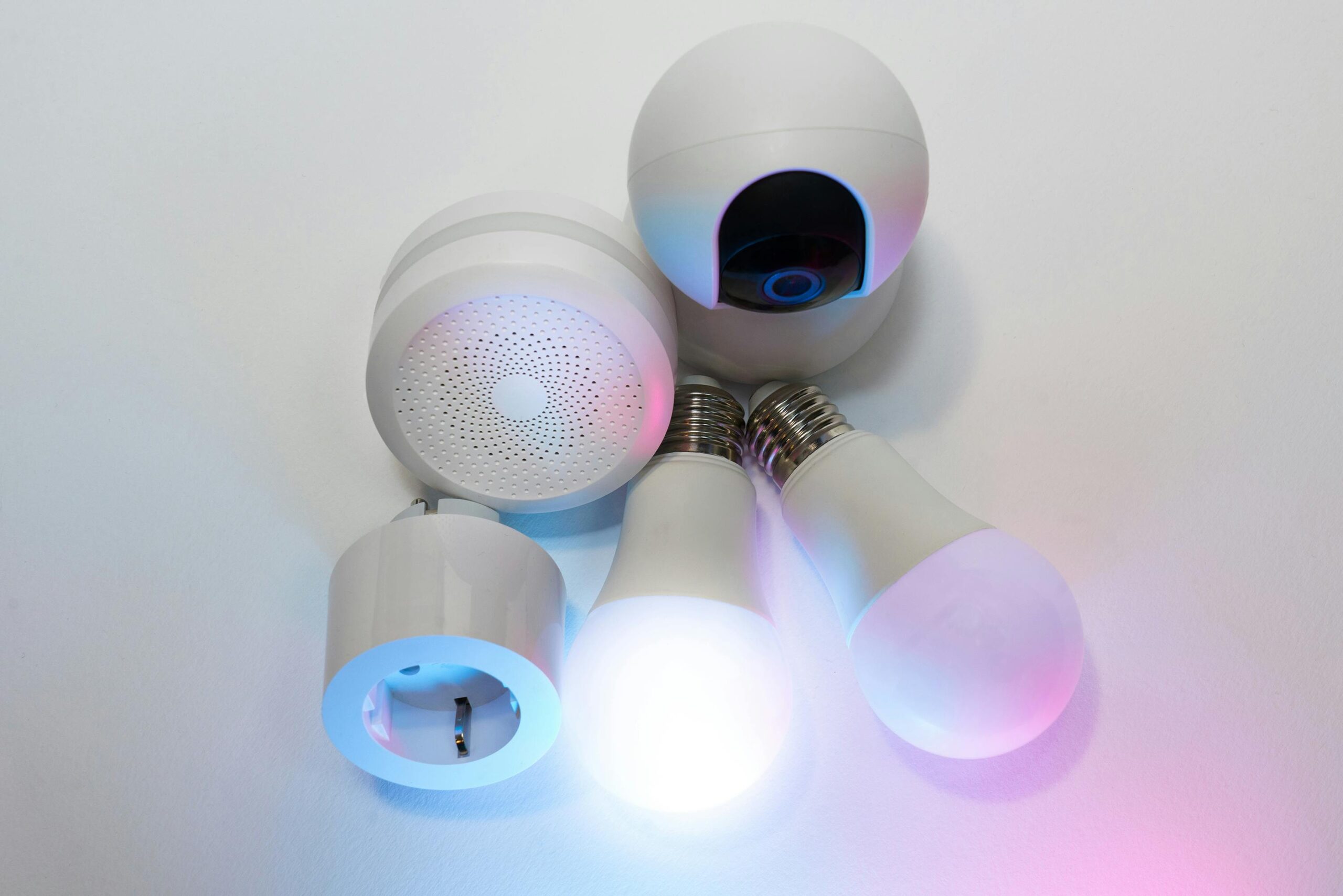
Smart home technology provides unprecedented visibility into energy consumption patterns and automated control capabilities. Energy monitoring systems track real-time usage by circuit or device, revealing exactly where energy goes and identifying opportunities for improvement. This data-driven approach eliminates guesswork from efficiency efforts.
Smart plugs transform ordinary appliances into intelligent devices that can be scheduled, monitored, and controlled remotely. Programming coffee makers, space heaters, and entertainment systems to operate only when needed prevents waste without sacrificing convenience. These devices cost $15-$40 each but typically save multiples of their cost annually.
Home energy management systems integrate multiple smart devices into cohesive platforms that optimize overall consumption. These systems learn occupancy patterns, weather forecasts, and energy pricing to automatically adjust settings for optimal efficiency and cost savings. Many utility companies now offer time-of-use rates that make automated load shifting particularly valuable.
🌞 Renewable Energy Integration
While improving efficiency should precede renewable energy installation, solar panels and other generation technologies further reduce or eliminate energy bills. Solar costs have dropped 70% over the past decade, with typical residential systems paying for themselves in 6-10 years while lasting 25-30 years.
Community solar programs provide renewable energy access for renters and those with unsuitable roofs. These programs offer 5% to 15% discounts on electricity costs without upfront investment or installation requirements. Battery storage systems increasingly complement solar installations, providing backup power while maximizing self-consumption of generated electricity.
💰 Financing Efficiency: Making Upgrades Affordable
The upfront cost of efficiency improvements deters many homeowners despite excellent long-term returns. Fortunately, numerous financing options and incentive programs make upgrades accessible. Federal tax credits currently cover 30% of qualifying improvements including heat pumps, insulation, windows, and renewable energy systems.
Many states and utilities offer additional rebates and incentives that further reduce costs. Low-interest financing programs like PACE (Property Assessed Clean Energy) allow homeowners to finance improvements through property tax assessments, with payments tied to the property rather than the owner. This structure particularly benefits those selling before recovering full costs through energy savings.
Prioritizing improvements based on payback period ensures capital goes toward the most impactful upgrades first. Simple measures like LED bulbs, programmable thermostats, and air sealing deliver immediate returns and fund subsequent projects through accumulated savings.
🎯 Creating Your Personal Energy Efficiency Roadmap
Implementing comprehensive energy efficiency improvements requires strategic planning rather than haphazard upgrades. Start by establishing baseline consumption through utility bill analysis and energy monitoring. Track monthly usage to identify seasonal patterns and anomalies requiring investigation.
Develop a multi-year implementation plan that sequences improvements logically. Quick wins like lighting upgrades and thermostat installation build momentum and generate savings that fund larger projects. Major improvements like HVAC replacement or insulation upgrades should align with equipment replacement cycles to maximize return on investment.
Set specific, measurable goals for energy reduction and cost savings. Tracking progress toward these targets maintains motivation and allows course correction when results fall short of expectations. Celebrate milestones to reinforce positive behaviors and encourage continued engagement with energy management.
🌍 Beyond Bills: The Broader Impact of Energy Efficiency
While financial savings motivate most efficiency efforts, the broader impacts extend far beyond personal bank accounts. Reduced energy consumption decreases power plant emissions, improving air quality and public health. A typical comprehensive home efficiency retrofit prevents three to five tons of carbon dioxide emissions annually—equivalent to taking a car off the road.
Energy-efficient homes offer improved comfort through more consistent temperatures, better humidity control, and reduced drafts. These enhancements increase property values, with studies showing efficient homes sell faster and command 3% to 5% price premiums over comparable inefficient properties. Efficiency improvements also reduce maintenance requirements and extend equipment lifespan.
Communities benefit when residents embrace efficiency, as reduced demand defers or eliminates costly power plant and transmission infrastructure investments. These avoided costs benefit all ratepayers through lower rates than would otherwise be necessary. Energy efficiency represents the cheapest, cleanest, and fastest way to meet growing energy needs.
🚀 Sustaining Momentum: Long-Term Energy Management Success
Initial enthusiasm for energy efficiency often wanes as attention shifts to other priorities. Sustaining long-term engagement requires building energy awareness into daily routines. Regular monthly utility bill reviews maintain focus on consumption patterns and reveal opportunities for continued improvement.
Engaging all household members creates shared responsibility for energy management. Teaching children about efficiency builds lifelong habits while contributing to immediate savings. Gamifying conservation through competitions or reward systems makes participation fun and reinforces positive behaviors.
Technology continues evolving, with new efficiency solutions emerging regularly. Staying informed about innovations ensures you benefit from improved technologies and techniques. Periodic reassessment of your home’s efficiency every few years identifies new opportunities as circumstances change and technologies advance.
Energy efficiency represents one of the rare opportunities where personal financial interest perfectly aligns with environmental responsibility. The strategies outlined above provide a comprehensive framework for dramatically reducing energy costs while enhancing comfort and property value. Implementation doesn’t require perfection—each improvement moves you closer to an efficient, comfortable, and affordable home. Start with simple measures today, and watch your savings accumulate while your comfort increases. The power to transform your home’s energy performance lies in your hands, and the time to act is now.