
Preserving food, memories, or materials requires knowledge and strategy. Choosing the right preservation method ensures longevity, quality, and safety for everything you value most.

🔍 Understanding the Foundation of Preservation Science
Preservation has been fundamental to human survival and progress throughout history. From ancient civilizations drying fruits under the sun to modern cryogenic technologies, the principles remain consistent: controlling environmental factors that cause deterioration. Whether you’re preserving food, documents, textiles, or digital content, understanding the science behind degradation helps you select the most effective protection method.
The core enemies of preservation include moisture, oxygen, light, temperature fluctuations, and biological agents like bacteria and fungi. Each preservation method addresses one or more of these threats through specific mechanisms. Successful preservation isn’t about choosing the most expensive or technologically advanced method—it’s about matching the right technique to your specific needs, resources, and goals.
Essential Criteria for Selecting Your Preservation Strategy
Before diving into specific preservation methods, you need to evaluate several critical factors that will guide your decision-making process. These criteria form the framework for comparing different approaches and determining which will deliver the best long-term results for your particular situation.
Duration Requirements and Time Horizons
How long do you need your items to last? This seemingly simple question dramatically influences which preservation method you should choose. Short-term preservation for weeks or months allows for simpler, less intensive methods, while long-term preservation spanning years or decades requires more robust approaches with greater environmental control.
For food preservation, consider whether you’re storing items for immediate consumption within days, seasonal storage across months, or emergency preparedness spanning years. Documents and photographs might need archival-quality preservation lasting generations, while digital files require migration strategies as technology evolves. Always add a safety margin to your estimated duration—better to over-preserve than discover your method fell short.
Quality Standards and Acceptable Changes
What level of quality maintenance is essential? Some preservation scenarios demand near-perfect retention of original characteristics, while others can tolerate moderate changes. Fresh strawberries frozen for smoothies don’t need the same texture preservation as those intended for decorating cakes. Understanding acceptable quality trade-offs helps you avoid over-investing in unnecessary preservation intensity.
Consider sensory attributes like appearance, texture, flavor, and aroma. Evaluate functional properties such as nutritional content, structural integrity, or usability. Determine which characteristics are non-negotiable and which can undergo acceptable modification. This clarity prevents disappointment and ensures your chosen method aligns with your actual needs rather than idealized expectations.
🌡️ Environmental Control: The Cornerstone of Effective Preservation
Temperature management represents perhaps the single most powerful preservation tool available. Lower temperatures slow chemical reactions and biological activity exponentially, which is why refrigeration and freezing have become preservation cornerstones. However, temperature control extends beyond simply making things cold—it includes maintaining stability and preventing fluctuations that can be more damaging than consistently moderate conditions.
For food preservation, the temperature danger zone between 40°F and 140°F (4°C to 60°C) allows rapid bacterial growth. Refrigeration at 32-40°F (0-4°C) slows but doesn’t stop microbial activity, making it suitable for short to medium-term storage. Freezing at 0°F (-18°C) or below essentially pauses biological processes, enabling long-term preservation of quality and safety.
Humidity and Moisture Management Strategies
Water activity influences preservation success more than many people realize. Too much moisture promotes mold growth, bacterial proliferation, and chemical reactions that degrade quality. Too little causes desiccation, brittleness, and texture problems. The optimal moisture level varies dramatically depending on what you’re preserving and your chosen method.
Dehydration reduces water activity below levels that support microbial growth, typically below 60% relative humidity for most organisms. This ancient technique works exceptionally well for fruits, vegetables, herbs, and meats. Conversely, some items require controlled humidity to prevent damage—valuable documents, musical instruments, and certain textiles need stable humidity around 30-50% to avoid cracking or warping.
Popular Preservation Methods: Comparative Analysis
With foundational criteria established, let’s examine specific preservation methods, their mechanisms, ideal applications, and limitations. This comparative approach helps you match methods to your specific needs rather than defaulting to familiar but potentially suboptimal choices.
Thermal Processing and Heat-Based Preservation
Canning, pasteurization, and sterilization use heat to destroy microorganisms and deactivate enzymes that cause spoilage. These methods create shelf-stable products that can last years without refrigeration when properly executed. The high temperatures involved do alter food characteristics—colors may change, textures soften, and some nutrients degrade—but the convenience and safety make thermal processing invaluable for many applications.
Water bath canning works for high-acid foods like fruits, pickles, and tomatoes, where pH below 4.6 prevents botulism growth. Pressure canning is essential for low-acid foods like vegetables, meats, and soups, reaching temperatures above boiling point to ensure safety. The investment in equipment and learning proper techniques pays dividends through years of preserved harvests and emergency food supplies.
Cold Chain Preservation: Refrigeration and Freezing
Cold storage preserves foods closest to their original state compared to most other methods. Refrigeration maintains quality for days to weeks, while freezing extends this to months or even years. The primary challenges include equipment costs, ongoing energy consumption, and vulnerability to power outages that can result in total loss.
Freezing success depends on speed and packaging. Rapid freezing forms smaller ice crystals that cause less cellular damage, preserving texture better than slow freezing. Vacuum-sealing or using freezer-specific packaging prevents freezer burn—the dehydration and oxidation that creates off-flavors and discoloration. Blanching vegetables before freezing deactivates enzymes that continue degrading quality even at freezing temperatures.
🧂 Chemical and Natural Preservation Approaches
Salt, sugar, acids, and smoke have preserved foods for millennia, and these traditional methods remain relevant today. These substances work by creating hostile environments for microorganisms through osmotic pressure, pH reduction, or antimicrobial compounds. The trade-off is significant flavor transformation—these aren’t invisible preservation techniques but rather methods that fundamentally change the product’s character.
Salt preservation through curing or brining creates distinctive flavors while extending shelf life dramatically. Sugar preservation in jams, jellies, and preserves relies on high sugar concentrations that bind water, making it unavailable to microorganisms. Fermentation harnesses beneficial bacteria to acidify foods naturally, creating probiotic-rich products like sauerkraut, kimchi, and yogurt that offer both preservation and health benefits.
Acidification and Pickling Techniques
Lowering pH below 4.6 through vinegar addition or fermentation creates an environment where most harmful bacteria cannot survive. Pickling combines acidification with salt and often sugar, producing complex flavors while preserving vegetables, fruits, and even proteins. Quick pickles refrigerated after preparation offer immediate results, while traditional fermented pickles develop more complex flavors over weeks of room-temperature processing.
The beauty of acidification lies in its dual benefits: preservation and flavor enhancement. Pickled items develop tangy, complex taste profiles that many people prefer to fresh versions. This method requires minimal equipment—just clean jars, quality ingredients, and proper technique. The shelf life varies from weeks for refrigerator pickles to years for properly canned acidified products.
Modern Preservation Technologies Worth Considering
Vacuum sealing removes air from packaging, dramatically slowing oxidation and reducing aerobic bacterial growth. This method synergizes beautifully with refrigeration or freezing, extending storage life significantly beyond traditional packaging. Vacuum-sealed frozen foods can maintain quality two to three times longer than conventionally packaged items.
The initial investment in a vacuum sealer pays for itself through reduced food waste and the ability to buy in bulk when prices are favorable. Beyond food preservation, vacuum sealing protects important documents from moisture and air damage, preserves seasonal clothing free from moths and mustiness, and protects valuable collectibles from environmental degradation.
Oxygen Absorbers and Modified Atmosphere Packaging
Oxygen absorbers—small packets containing iron powder that oxidizes and removes oxygen from sealed containers—represent an affordable preservation enhancement. Particularly valuable for dry goods like grains, legumes, and dehydrated foods, these absorbers prevent oxidation, insect activity, and mold growth that require oxygen to thrive.
Combined with food-grade buckets or Mylar bags, oxygen absorbers create long-term storage solutions lasting 20-30 years for properly prepared dry goods. This approach requires attention to moisture levels—items must be sufficiently dry before sealing, or trapped moisture can create problems even in oxygen-free environments. The technique provides peace of mind for emergency preparedness and economical bulk purchasing.
📱 Digital Preservation: Protecting Intangible Assets
While much preservation discussion focuses on physical items, digital content requires its own preservation strategies. Photos, documents, videos, and important files face unique threats including file corruption, hardware failure, software obsolescence, and format incompatibility as technology evolves.
The 3-2-1 backup rule provides solid digital preservation foundation: maintain three copies of important data, on two different media types, with one copy stored off-site. Cloud storage services offer convenient off-site backup with automatic synchronization, though ongoing subscription costs and privacy considerations require evaluation. External hard drives provide large capacity at reasonable cost but eventually fail and should be replaced every 3-5 years.
Format Selection and Migration Strategies
Choosing preservation formats requires balancing current convenience against long-term accessibility. Open, widely-adopted formats like PDF/A for documents, TIFF for images, and MP4 for video offer better long-term prospects than proprietary formats that might become unsupported. Periodically migrating files to current formats and storage media prevents obsolescence from rendering your preserved content inaccessible.
Documentation matters more than many realize. Include metadata describing file contents, creation dates, and context. This information ensures that future users—including yourself decades later—can understand and utilize preserved materials effectively. Consider printing critical digital photos and documents to create physical backups that don’t require technology to access.
💰 Cost-Benefit Analysis: Making Economically Sound Choices
Preservation methods vary dramatically in upfront costs, ongoing expenses, and required labor investment. The cheapest initial option isn’t always the most economical long-term choice. Consider total cost of ownership including equipment purchases, consumables, energy consumption, storage space, and your time investment.
Dehydration requires an initial equipment purchase but minimal ongoing costs beyond electricity. Canning demands jars, lids, and processing time but creates shelf-stable products requiring no energy for storage. Freezing involves continuous energy consumption and vulnerability to power loss. Calculate costs over your intended preservation period to identify the truly economical choice for your situation.
Scale Considerations and Volume Planning
The optimal preservation method often depends on scale. Preserving small quantities of specialty items might make labor-intensive methods acceptable, while large harvests demand efficient, scalable approaches. A single food dehydrator handles small batches beautifully but becomes impractical for bushels of produce. Conversely, investing in pressure canning equipment makes sense only if you’ll preserve sufficient quantity to justify the investment.
Consider storage space requirements as well. Canned goods occupy significant shelf space, while dehydrated foods shrink to fractions of their original volume. Frozen items require consistent freezer capacity you can’t easily expand. Planning preservation activities around available storage prevents the frustrating situation of preserved items you can’t properly store.
🎯 Matching Methods to Materials: Specific Recommendations
No single preservation method excels for everything. Success requires matching techniques to specific materials and intended uses. Here’s guidance for common preservation scenarios to help you make informed decisions tailored to your actual needs.
For garden vegetables, combine multiple methods: freeze items you’ll use in cooked dishes where texture matters less, can tomato products and soups for convenience, dehydrate herbs and vegetables for lightweight storage, and ferment cabbage and cucumbers for probiotic benefits. This diversified approach maximizes quality retention while spreading risk across different preservation systems.
Fruits generally freeze exceptionally well, maintaining flavor and nutritional value better than most alternatives. Dehydration works beautifully for apples, bananas, and berries, creating convenient snacks. Canning fruit in light syrup or juice preserves safely and conveniently. Match your preservation choice to intended use—frozen berries for smoothies, canned peaches for desserts, dried apples for lunch boxes.
Protein Preservation Strategies
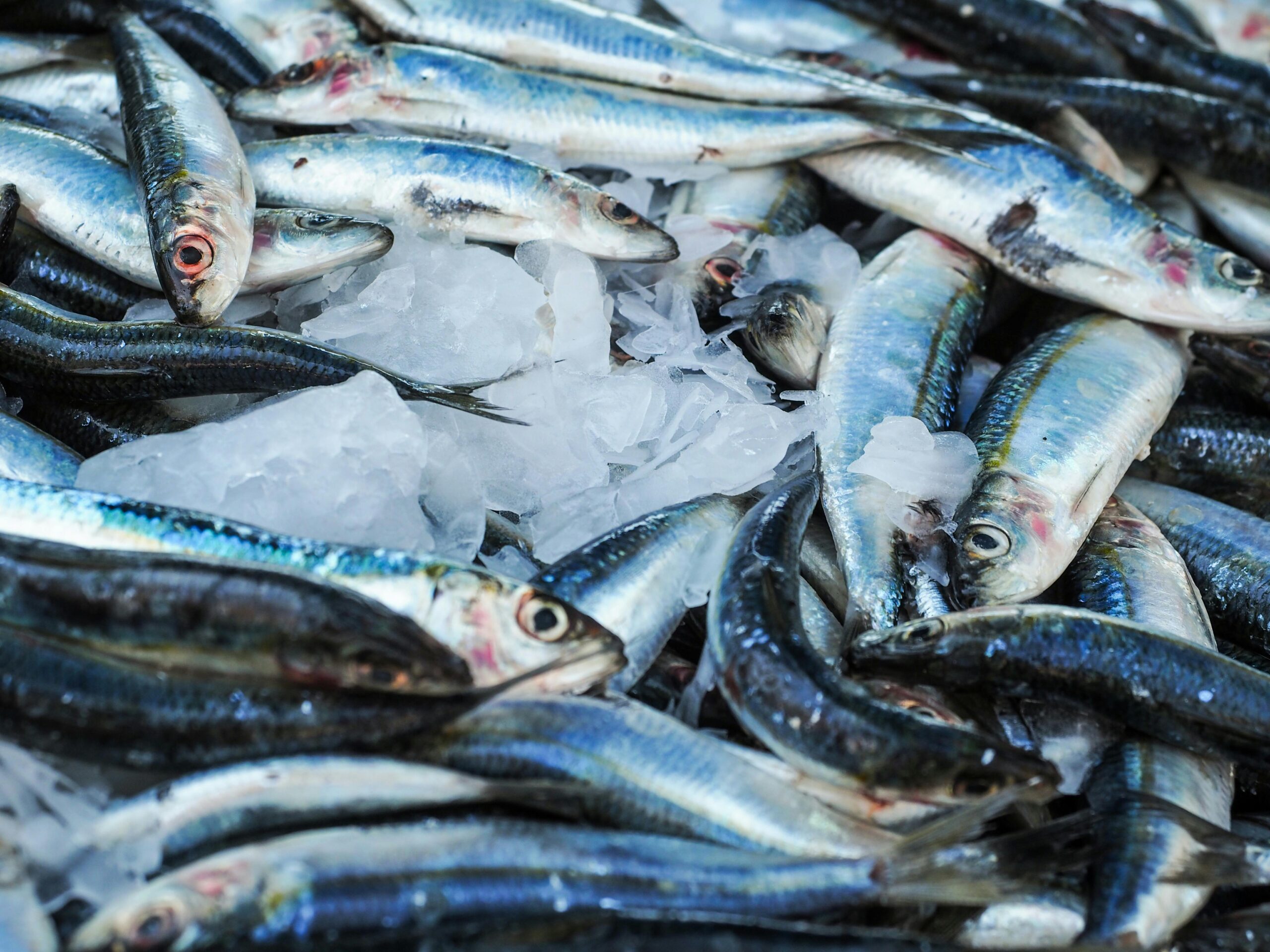
Meats, fish, and poultry require especially careful preservation due to their perishable nature and food safety implications. Freezing provides excellent quality retention for 3-12 months depending on the protein type and packaging quality. Vacuum-sealing before freezing dramatically extends these timeframes. Pressure canning creates shelf-stable proteins perfect for emergency supplies and convenient meal preparation.
Curing and smoking transform meats while preserving them, creating products like bacon, ham, and jerky with distinctive flavors and extended shelf life. These traditional methods require learning proper techniques to ensure safety, but the resulting products offer unique culinary experiences impossible to achieve through other preservation approaches.
Quality Assessment: Monitoring Preservation Success
Effective preservation requires ongoing monitoring to ensure your chosen methods deliver expected results. Establish inspection routines appropriate to your preservation method—weekly for refrigerated items, monthly for frozen or canned goods, quarterly for dehydrated products, and annually for long-term storage items.
Learn to recognize preservation failure signs specific to each method. Bulging canned lids indicate bacterial growth and potential botulism danger—discard immediately without tasting. Freezer burn appears as grayish-brown discoloration and dehydrated patches, indicating packaging failure that degrades quality but doesn’t create safety issues. Dehydrated foods developing moisture, mold, or off-odors require discarding to prevent illness.
Building Your Personal Preservation System
Rather than seeking a single perfect preservation method, develop a diversified preservation system leveraging multiple techniques suited to different needs. This approach provides flexibility, reduces risk from any single method’s failure, and allows you to optimize quality retention for various items.
Start with methods requiring minimal investment—refrigeration equipment you likely already own, simple water bath canning for high-acid foods, or basic dehydration using your oven. Build skills and confidence before investing in specialized equipment like pressure canners or vacuum sealers. Document your results, noting what works well and what needs adjustment, creating your personalized preservation knowledge base.
Consider seasonal rhythms and batch processing opportunities. Preserve foods at peak freshness and lowest cost during harvest season. Dedicate specific times to preservation activities rather than attempting to preserve everything as it becomes available, which leads to stress and shortcuts that compromise quality.
The art of preservation combines science, tradition, and practical experience. By carefully evaluating your specific needs against the criteria outlined here, you can select preservation methods that deliver lasting quality, safety, and value. Whether protecting precious memories, ensuring food security, or maintaining valuable materials, the right preservation approach transforms perishable resources into enduring assets that serve you far into the future. Your investment in preservation knowledge and skills pays dividends through reduced waste, enhanced self-sufficiency, and the deep satisfaction of successfully maintaining what matters most.
