
Every flip of a switch, every mile driven, and every degree adjusted on a thermostat represents a choice that reverberates far beyond our immediate comfort.

The energy decisions we make today are sculpting the world our children will inherit. From the coal-fired power plants that have fueled industrial revolutions to the gleaming solar panels now adorning rooftops worldwide, our energy choices have always been intrinsically linked to both human progress and environmental consequences. Understanding this connection has never been more critical as we stand at a crossroads between fossil fuel dependency and renewable energy transformation.
The global energy landscape is experiencing a seismic shift. Climate change, technological innovation, and evolving societal values are converging to challenge long-held assumptions about how we power our lives. This transformation isn’t merely technical—it’s deeply personal, affecting everything from household budgets to air quality, from job markets to geopolitical stability.
⚡ The Energy Foundation of Modern Civilization
Energy is the invisible force that enables virtually every aspect of contemporary life. When we consider the energy that powers our world, we’re looking at a complex ecosystem that spans electricity generation, transportation fuels, heating and cooling systems, and industrial processes. Each sector draws from different energy sources, creating a intricate web of dependencies and opportunities.
Fossil fuels—coal, oil, and natural gas—have dominated the energy mix for over a century. These carbon-rich resources powered the Industrial Revolution and continue to supply approximately 80% of global energy demand. Their energy density, transportability, and established infrastructure made them seemingly indispensable. However, this convenience came with hidden costs that are now becoming impossible to ignore.
The combustion of fossil fuels releases carbon dioxide and other greenhouse gases that trap heat in Earth’s atmosphere. Since pre-industrial times, atmospheric CO2 concentrations have increased by roughly 50%, driving global temperature rises, extreme weather events, sea-level increases, and ecosystem disruptions. The energy choices that brought unprecedented prosperity have simultaneously set in motion environmental changes that threaten that very prosperity.
🌍 How Energy Choices Shape Our Daily Reality
The impact of energy decisions manifests in tangible ways across our daily experiences. Air quality in urban centers directly correlates with local energy sources. Cities powered predominantly by coal or oil combustion often struggle with smog, respiratory illnesses, and reduced quality of life. Conversely, regions transitioning to cleaner energy sources report measurable improvements in public health outcomes.
Economic implications ripple through household budgets and national economies alike. Energy costs represent a significant expense for families, with lower-income households spending a disproportionate percentage of their income on electricity and heating. The transition to renewable energy presents both challenges and opportunities—initial infrastructure investments can be substantial, but operational costs for solar and wind power are minimal once installations are complete.
Employment patterns are shifting as energy systems evolve. Traditional fossil fuel industries have provided livelihoods for millions, creating entire communities dependent on coal mines, oil fields, and related industries. The renewable energy sector is now becoming a major job creator, with roles in manufacturing, installation, maintenance, and innovation. Managing this transition fairly—ensuring workers aren’t left behind—represents one of the great social challenges of our era.
The Hidden Costs We Rarely Calculate
When comparing energy sources, we often focus on the direct price per kilowatt-hour. This narrow view overlooks externalities—costs borne by society rather than directly by producers or consumers. Fossil fuel combustion generates healthcare expenses from pollution-related illnesses, environmental cleanup costs, and climate adaptation expenses that dwarf the sticker price of energy.
Research suggests that if these external costs were factored into pricing, renewable energy would already be dramatically more economical than fossil fuels. The true cost of coal-generated electricity, for instance, might be two to three times higher when accounting for health impacts, environmental degradation, and climate consequences.
☀️ The Renewable Revolution Transforming Energy Landscapes
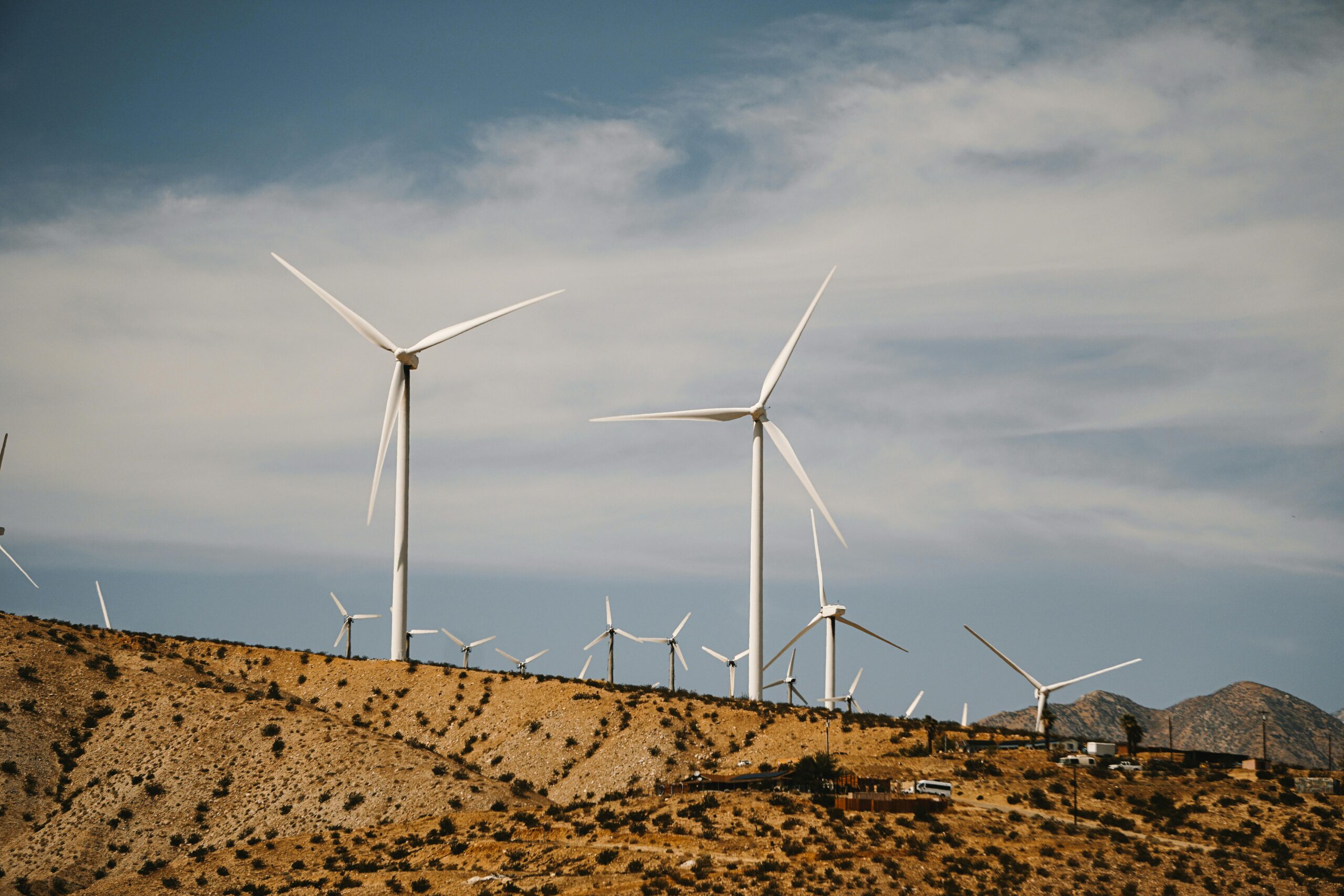
Renewable energy technologies have matured from niche alternatives to mainstream power sources. Solar photovoltaic systems have experienced cost reductions exceeding 90% over the past decade, making solar electricity cheaper than fossil fuel alternatives in many markets. Wind power has followed a similar trajectory, with larger turbines and improved efficiency driving costs downward.
The intermittency challenge—that the sun doesn’t always shine and wind doesn’t always blow—is being addressed through multiple approaches. Battery storage technology is advancing rapidly, allowing excess renewable energy to be stored and dispatched when needed. Grid management systems are becoming more sophisticated, balancing supply and demand across wider geographic areas. Diversified renewable portfolios combine solar, wind, hydroelectric, and other sources to create more stable supply.
Hydroelectric power has long been a reliable renewable source, though large dam projects carry their own environmental considerations including habitat disruption and methane emissions from reservoirs. Smaller-scale hydroelectric installations and tidal energy systems offer alternatives with reduced ecological footprints.
Geothermal energy taps into Earth’s internal heat, providing consistent baseload power without weather dependency. While geographically limited to areas with suitable geology, geothermal represents a valuable component of diversified clean energy systems.
Nuclear Energy: The Controversial Carbon-Free Option
Nuclear power generates substantial electricity without direct carbon emissions, making it attractive from a climate perspective. Modern reactor designs promise enhanced safety features and reduced waste production. However, concerns about radioactive waste disposal, accident risks, and weapons proliferation continue to generate significant public opposition in many regions.
The debate around nuclear energy highlights the complexity of energy choices—there’s rarely a perfect solution, only trade-offs between different priorities and risk profiles. Some climate scientists advocate strongly for nuclear expansion as essential for rapid decarbonization, while others argue that renewable energy combined with efficiency improvements can meet our needs more safely and economically.
🏠 Personal Energy Choices That Create Collective Impact
Individual decisions aggregate into societal transformation. The choices available to households have expanded dramatically, empowering consumers to become active participants in energy transitions rather than passive recipients of whatever the grid provides.
Residential solar installations have moved from rare curiosities to common sights in many neighborhoods. Community solar programs allow those without suitable rooftops to participate in solar energy. Heat pumps provide efficient heating and cooling using electricity rather than fossil fuels. Electric vehicles are eliminating tailpipe emissions from transportation.
Energy efficiency improvements often represent the most cost-effective “source” of energy—using less in the first place. LED lighting, improved insulation, efficient appliances, and smart thermostats can reduce household energy consumption by 30-50% with reasonable investments that pay for themselves through reduced utility bills.
Making Informed Energy Decisions
Understanding your energy footprint starts with awareness. Utility bills provide basic information, but energy monitoring systems offer detailed insights into consumption patterns. Many utilities now offer time-of-use pricing that rewards shifting energy-intensive activities to off-peak hours when grid demand is lower and renewable energy is often more abundant.
- Assess your current consumption: Review energy bills and identify major usage areas
- Prioritize efficiency improvements: Start with low-cost changes like LED bulbs before major investments
- Consider renewable options: Evaluate solar potential, community programs, or green energy purchasing from utilities
- Optimize transportation: Consider electric vehicles, public transit, cycling, or carpooling alternatives
- Support policy changes: Advocate for clean energy policies and infrastructure investments in your community
🌐 Global Energy Equity and Justice Considerations
Energy access remains profoundly unequal globally. Approximately 770 million people lack electricity access entirely, while billions more experience unreliable service. Energy poverty constrains educational opportunities, healthcare delivery, economic development, and quality of life.
The climate crisis adds another dimension of injustice—those who have contributed least to historical emissions often face the most severe consequences. Small island nations facing existential threats from sea-level rise, African regions experiencing devastating droughts, and vulnerable communities everywhere are paying the price for energy choices made primarily by wealthy nations.
Developed countries built their prosperity on cheap fossil fuels. Asking developing nations to forgo that path creates legitimate questions about fairness and responsibility. Climate justice frameworks argue that wealthy nations should support clean energy transitions globally, providing technology transfer, financial assistance, and capacity building.
Renewable energy offers pathways to leapfrog outdated fossil fuel infrastructure. Distributed solar systems can bring electricity to remote villages more affordably than extending centralized grid infrastructure. This represents an opportunity to address energy poverty while building clean systems from the start.
🔬 Innovation Frontiers Reshaping Energy Possibilities
Emerging technologies promise to expand our energy options further. Advanced battery chemistries are improving storage capacity, longevity, and sustainability. Flow batteries, solid-state batteries, and other innovations may overcome current limitations of lithium-ion technology.
Hydrogen is gaining attention as an energy carrier, particularly for applications where direct electrification proves challenging. Green hydrogen produced through renewable-powered electrolysis could decarbonize heavy industry, long-distance shipping, and aviation. However, significant infrastructure development and cost reductions are needed before hydrogen reaches its potential.
Artificial intelligence and machine learning are optimizing energy systems in ways previously impossible. Predictive algorithms balance grid loads, forecast renewable generation, optimize building energy use, and identify efficiency opportunities. These smart systems make renewable integration more feasible and energy use more efficient.
Carbon capture technologies aim to remove CO2 from industrial processes or even directly from the atmosphere. While controversial—some view them as distractions from emission reduction—these technologies may prove necessary for achieving net-zero emissions targets, particularly for hard-to-decarbonize sectors.
💡 The Policy Landscape Driving Energy Transformation
Government policies profoundly influence energy choices through regulations, incentives, and investments. Carbon pricing mechanisms—whether carbon taxes or cap-and-trade systems—attempt to internalize climate costs, making polluting energy sources more expensive and clean alternatives more competitive.
Renewable energy mandates require utilities to source specified percentages of electricity from clean sources, creating guaranteed markets that drive investment and innovation. Feed-in tariffs and net metering policies compensate distributed solar generators for excess electricity fed back to the grid.
Fossil fuel subsidies remain a major policy contradiction in many nations. Governments worldwide spend hundreds of billions annually supporting oil, gas, and coal production—far exceeding renewable energy support. Redirecting these subsidies toward clean energy would accelerate transitions dramatically.
Infrastructure investments shape energy systems for decades. Decisions about electricity transmission networks, transportation systems, and building codes create path dependencies that either facilitate or hinder clean energy adoption. Forward-thinking infrastructure policy considers long-term climate goals rather than perpetuating outdated systems.
🌱 The Interconnected Future We’re Building Together
Energy choices extend far beyond technical considerations of watts and emissions. They reflect our values, our vision for the future, and our willingness to prioritize long-term wellbeing over short-term convenience. The transition to sustainable energy systems represents one of humanity’s great undertakings—comparable in scale and significance to previous transformations like agricultural development or industrialization.
This transition is already underway, driven by economic logic, technological capability, and growing awareness of climate urgency. Renewable energy installations are breaking records annually. Electric vehicle adoption is accelerating. Major corporations are committing to 100% renewable power. Financial institutions are divesting from fossil fuels and redirecting capital toward clean energy.
Yet the pace remains insufficient to avoid dangerous climate disruption. The gap between current trajectories and what’s needed to limit warming to relatively safe levels demands more ambitious action. This isn’t someone else’s responsibility—it’s a collective challenge requiring contributions from individuals, businesses, and governments worldwide.
Creating Momentum Through Connected Action
Individual actions matter both directly through their impact and indirectly through the cultural shifts they represent. When neighbors install solar panels, others reconsider their assumptions about feasibility. When electric vehicles become commonplace, range anxiety diminishes. When plant-based diets gain popularity, food production systems gradually evolve. These ripple effects create momentum that transcends any single decision.
The energy transition also represents extraordinary economic opportunity. Clean energy is becoming the largest infrastructure investment in human history, creating millions of jobs and trillions in economic activity. Regions and nations that position themselves as leaders in renewable technology, battery manufacturing, grid innovation, or sustainable transportation will capture disproportionate benefits.
Climate anxiety affects many people, particularly younger generations facing an uncertain future. Channeling that concern into constructive action—whether through career choices, consumption decisions, community engagement, or political advocacy—transforms helplessness into agency. We’re not powerless observers of energy systems; we’re active participants shaping them.
🔮 Envisioning an Energy-Transformed World
Imagine cities where the air is clean, where electric buses and trains provide convenient transportation, where buildings generate their own power through integrated solar designs. Picture rural communities with energy independence through local renewable installations, no longer vulnerable to distant supply disruptions or price volatility. Envision industries powered by abundant clean electricity, producing goods without the pollution that has historically accompanied manufacturing.
This vision is technically achievable with existing technologies. The barriers are primarily economic inertia, political will, and social coordination rather than technological impossibility. Every step toward this future—however small—contributes to its realization.
The choices we make about energy touch everything: the quality of air our children breathe, the stability of ecosystems supporting life on Earth, the fairness of economic opportunity, the habitability of our planet for future generations. These stakes couldn’t be higher, yet the path forward offers not just necessity but opportunity—the chance to build energy systems that are cleaner, more democratic, more resilient, and more just than what we’re leaving behind.
Energy transitions have always accompanied major civilizational shifts. We’re living through another such moment, when fundamental assumptions about how we power our world are being reimagined and rebuilt. The outcome isn’t predetermined—it depends on countless decisions made by billions of people, including you. Every choice to prioritize efficiency, embrace renewable energy, support forward-thinking policies, or simply understand these connections more deeply contributes to powering a future that works for both people and planet. The question isn’t whether our energy systems will change, but whether we’ll guide that change intentionally toward outcomes we actually want to inhabit.
