
In today’s interconnected world, security and access control have become critical pillars for protecting people, data, and infrastructure from emerging threats and vulnerabilities.

The rapid evolution of technology has transformed how we approach safety, shifting from traditional lock-and-key systems to sophisticated digital solutions that leverage artificial intelligence, biometrics, and cloud computing. Organizations across all sectors—from healthcare and finance to education and retail—are recognizing that robust security frameworks are no longer optional but essential for operational continuity and reputation management.
As cyber attacks grow more sophisticated and physical security threats evolve, the integration of smarter solutions has become paramount. Modern security systems now offer real-time monitoring, predictive analytics, and automated responses that were once confined to science fiction. This comprehensive approach to protection addresses not only external threats but also internal vulnerabilities, creating layered defense mechanisms that adapt to changing risk landscapes.
🔐 The Evolution of Security Systems in the Digital Age
Security has undergone a remarkable transformation over the past two decades. Traditional mechanical locks and manual surveillance have given way to integrated platforms that combine multiple technologies into cohesive ecosystems. This evolution reflects changing threat patterns and the increasing value of both physical and digital assets in our interconnected economy.
Early access control systems relied heavily on physical keys and guards, which presented significant limitations including key duplication risks, human error, and scalability challenges. The introduction of electronic key cards in the 1970s marked the first major shift toward programmable security, allowing administrators to grant and revoke access remotely while maintaining audit trails.
Today’s advanced systems incorporate biometric authentication, mobile credentials, artificial intelligence, and blockchain technology to create security frameworks that are simultaneously more secure and more user-friendly. These innovations have redefined what’s possible in threat prevention, detection, and response.
Key Milestones in Security Technology Advancement
Understanding the trajectory of security innovation helps organizations make informed decisions about future investments. The progression from passive to active security measures represents a fundamental shift in security philosophy—from merely documenting incidents to preventing them before they occur.
- Mechanical locks and physical keys (pre-1970s)
- Magnetic stripe and proximity card systems (1970s-1990s)
- Biometric authentication integration (1990s-2000s)
- IP-based networked systems (2000s-2010s)
- Cloud-enabled mobile access and AI analytics (2010s-present)
- Quantum encryption and zero-trust architectures (emerging)
🛡️ Understanding Modern Access Control Architecture
Contemporary access control systems function as comprehensive security ecosystems rather than isolated components. These architectures typically consist of multiple layers working in concert: credential management, authentication mechanisms, authorization protocols, audit systems, and response procedures. Each layer serves a specific purpose while contributing to overall security posture.
The foundation of modern access control rests on the principle of least privilege—granting users only the minimum access necessary to perform their legitimate functions. This approach minimizes potential damage from compromised credentials while simplifying compliance with regulatory frameworks like GDPR, HIPAA, and SOC 2.
Physical access control systems (PACS) now seamlessly integrate with logical access control for IT resources, creating unified identity management platforms. This convergence eliminates security gaps that previously existed between physical and cyber security teams, enabling coordinated responses to incidents that span both domains.
Components of a Comprehensive Access Control System
A properly designed access control infrastructure includes several interconnected elements that work together to verify identities, enforce policies, and maintain security while ensuring operational efficiency. The sophistication of these components determines the system’s resilience against both common and advanced attack vectors.
| Component | Function | Technology Examples |
|---|---|---|
| Credential Management | Identity verification and authentication | Smart cards, mobile apps, biometric scanners |
| Control Panels | Decision-making and policy enforcement | Network controllers, edge devices |
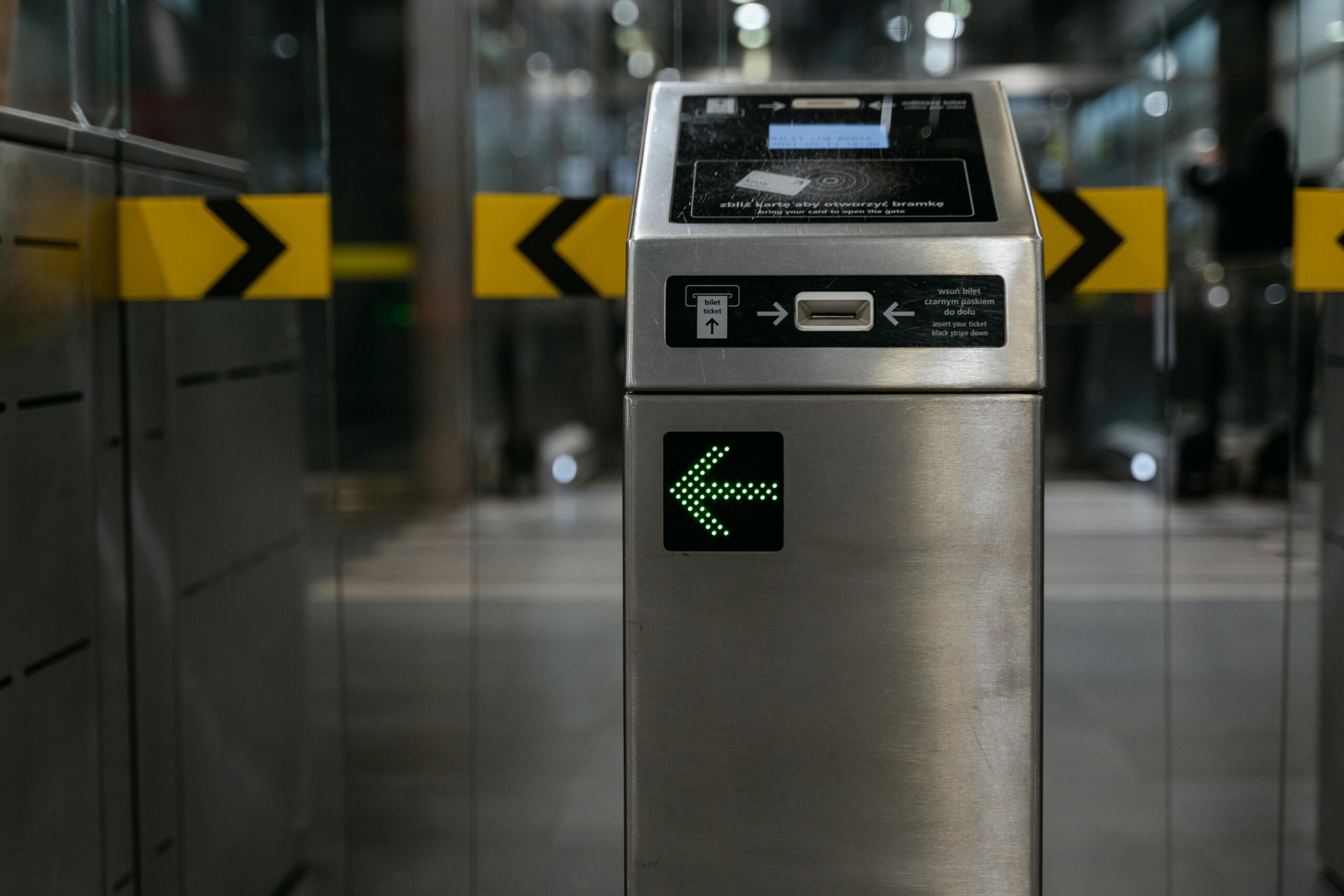
| Access Points | Physical entry/exit control | Electronic locks, turnstiles, mantraps |
| Management Software | Administration and monitoring | Cloud platforms, on-premise servers |
| Integration Platforms | System coordination | APIs, middleware, PSIM solutions |
📱 Biometric Authentication: The Future is Already Here
Biometric technology has transitioned from specialized high-security applications to mainstream consumer adoption, driven by smartphone integration and improving accuracy. These systems authenticate individuals based on unique physical or behavioral characteristics, eliminating many vulnerabilities associated with traditional credentials that can be stolen, shared, or forgotten.
Modern biometric solutions include fingerprint recognition, facial recognition, iris scanning, voice authentication, and even gait analysis. Each modality offers distinct advantages depending on the security requirements, user population, and environmental conditions. Multi-modal biometric systems that combine two or more factors provide enhanced security while maintaining acceptable user experience.
Privacy concerns surrounding biometric data have prompted stricter regulations and the development of privacy-preserving technologies. Template-on-card systems and biometric encryption ensure that sensitive biometric information never leaves secured environments, addressing legitimate concerns while maintaining security benefits.
Advantages of Biometric Access Control
Organizations implementing biometric authentication report significant improvements in both security effectiveness and operational efficiency. The inherent link between credential and user eliminates credential sharing, a common vulnerability in traditional systems that undermines accountability and audit integrity.
- Elimination of lost, stolen, or shared credentials
- Enhanced audit trails with verified identity confirmation
- Improved user convenience with no cards or codes to remember
- Reduced administrative overhead for credential management
- Stronger compliance with regulatory identity verification requirements
- Scalability across large user populations without physical credential costs
☁️ Cloud-Based Security: Flexibility Meets Protection
The migration of security infrastructure to cloud platforms has democratized access to enterprise-grade security capabilities for organizations of all sizes. Cloud-based access control systems eliminate significant upfront hardware investments while providing continuous updates, redundancy, and accessibility from anywhere with internet connectivity.
These platforms leverage distributed computing resources to perform complex analytics that would be prohibitively expensive for on-premise systems. Machine learning algorithms continuously analyze access patterns to detect anomalies, predict maintenance needs, and identify potential security threats before they materialize into incidents.
Cloud security solutions also facilitate rapid deployment and scalability, allowing organizations to expand across multiple locations without complex networking infrastructure. Centralized management consoles provide unified visibility across all sites while maintaining granular control over local policies and procedures.
Addressing Cloud Security Concerns
Despite clear advantages, organizations rightfully scrutinize cloud security solutions regarding data sovereignty, availability, and control. Leading providers have responded with robust security frameworks, compliance certifications, and architectural options that address these concerns without sacrificing cloud benefits.
Encryption both in transit and at rest protects data from unauthorized access, while redundant infrastructure across multiple geographic regions ensures availability even during regional outages. Hybrid deployments allow organizations to maintain local control over critical functions while leveraging cloud capabilities for analytics and management.
🤖 Artificial Intelligence: The Security Force Multiplier
Artificial intelligence and machine learning have transformed security from reactive response to proactive threat prevention. These technologies process vast quantities of data from sensors, cameras, access logs, and external threat intelligence sources to identify patterns invisible to human analysts.
AI-powered video analytics can distinguish between routine activities and suspicious behavior, reducing false alarms while ensuring genuine threats receive immediate attention. Behavioral biometrics analyze how users interact with systems—typing patterns, mouse movements, device handling—creating continuous authentication that detects account takeovers even with valid credentials.
Predictive analytics forecast security risks based on historical data, environmental factors, and external threat intelligence. These insights enable security teams to allocate resources more effectively, implementing preventive measures before vulnerabilities are exploited.
Real-World AI Applications in Security
Organizations implementing AI-enhanced security report dramatic improvements in threat detection accuracy and response times. These systems augment human capabilities rather than replacing security personnel, allowing teams to focus on strategic decision-making rather than routine monitoring tasks.
- Facial recognition for watchlist alerting and visitor management
- Anomaly detection identifying unusual access patterns or behaviors
- Predictive maintenance forecasting equipment failures before they occur
- Natural language processing analyzing security reports and communications
- Automated response systems initiating containment procedures
- Risk scoring prioritizing security events based on threat severity
🌐 Integration: Creating Unified Security Ecosystems
Modern security effectiveness depends heavily on integration—connecting access control, video surveillance, intrusion detection, building automation, and IT security into cohesive platforms. Siloed systems create security gaps and inefficiencies that adversaries routinely exploit, while integrated ecosystems provide comprehensive situational awareness and coordinated response capabilities.
Open standards and APIs have facilitated integration that was previously difficult or impossible. Organizations can now select best-in-class components from multiple vendors while maintaining interoperability, avoiding vendor lock-in while optimizing security effectiveness.
Physical Security Information Management (PSIM) platforms serve as integration hubs, correlating events from disparate systems to provide unified operational views. When access control detects unauthorized entry attempts while video analytics identifies suspicious loitering and network sensors detect unusual data transfer, PSIM correlates these events into a cohesive threat picture that triggers appropriate responses.
🔒 Mobile Access: Security in Your Pocket
Smartphones have emerged as powerful security credentials, leveraging built-in sensors, processing power, and connectivity to deliver secure, convenient access experiences. Mobile credentials eliminate plastic card costs while enabling features impossible with traditional credentials, including remote provisioning, automatic expiration, and multi-factor authentication.
The ubiquity of smartphones makes mobile access particularly attractive for organizations with large workforces, temporary employees, or visitor populations. Users simply present their phones to readers using Bluetooth, NFC, or QR codes, receiving instant access without physical cards or keys.
Mobile platforms also enable rich two-way communication between security systems and users. Organizations can send real-time alerts, evacuation instructions, or policy updates directly to user devices, while users can request temporary access, report incidents, or call for assistance through dedicated security applications.
🎯 Zero Trust Architecture: Never Trust, Always Verify
The zero trust security model has gained prominence as organizations recognize that perimeter-based security is insufficient against modern threats. This approach assumes no user, device, or network is inherently trustworthy, requiring continuous verification regardless of location or previous access history.
Zero trust principles apply equally to physical and logical access control. Every access request undergoes authentication, authorization, and encryption verification before granting minimum necessary privileges. This granular approach limits lateral movement by attackers who compromise initial credentials, containing breaches before they escalate.
Implementation requires comprehensive visibility into all users, devices, applications, and data flows. Micro-segmentation divides networks and physical spaces into isolated zones with strictly enforced boundaries, while continuous monitoring detects anomalous behavior triggering immediate investigation or automated containment.
📊 Compliance and Regulatory Considerations
Modern organizations navigate increasingly complex regulatory landscapes requiring documented security controls and audit capabilities. Access control systems play central roles in compliance frameworks, providing the identity verification, authorization enforcement, and audit trails necessary to demonstrate regulatory adherence.
Regulations like GDPR mandate specific data protection measures including access controls, while industry standards like PCI DSS require strict limitations on who can access payment card data. Healthcare organizations must comply with HIPAA privacy rules, and financial institutions face numerous regulatory requirements regarding data security and facility protection.
Properly implemented access control systems simplify compliance by automating policy enforcement and generating comprehensive audit reports. These capabilities reduce compliance costs while minimizing risks of violations that can result in significant fines and reputational damage.
💡 Implementing Smart Security: Best Practices
Successful security system implementation requires careful planning, stakeholder engagement, and ongoing management. Organizations should begin with comprehensive risk assessments identifying critical assets, potential threats, and existing vulnerabilities. This foundation informs technology selection, deployment strategies, and operational procedures.
User adoption significantly impacts security effectiveness. Systems that create friction or complexity often face resistance leading to workarounds that undermine security. Balancing robust protection with positive user experiences ensures compliance with security policies while maintaining operational efficiency.
Regular testing, training, and updates maintain security effectiveness as threats evolve. Penetration testing identifies vulnerabilities before attackers exploit them, while tabletop exercises prepare security teams for incident response. Continuous education ensures users understand their security responsibilities and recognize potential threats.
Essential Implementation Steps
- Conduct thorough risk assessments identifying security requirements
- Define clear policies governing access rights and procedures
- Select technologies aligned with security needs and budget constraints
- Plan phased deployments minimizing operational disruption
- Provide comprehensive training for administrators and users
- Establish monitoring procedures and incident response protocols
- Schedule regular audits and system updates
- Document everything for compliance and knowledge transfer
🚀 Emerging Trends Shaping Security’s Tomorrow
Security technology continues evolving at accelerating pace, driven by advancing capabilities and emerging threats. Quantum computing promises both enhanced encryption and potential vulnerabilities as quantum computers could break current cryptographic standards. Organizations are already developing quantum-resistant algorithms to protect against future threats.
Extended reality (XR) technologies including virtual and augmented reality are creating new security applications, from immersive security training to AR-enhanced surveillance monitoring. These technologies allow security personnel to visualize complex data streams and coordinate responses more effectively than traditional interfaces permit.
Blockchain technology is being explored for secure credential management, creating tamper-proof audit trails and decentralized identity verification that eliminates single points of failure. While still emerging, blockchain-based security solutions show promise for specific high-security applications requiring absolute integrity verification.
The convergence of 5G connectivity, edge computing, and artificial intelligence will enable real-time security analytics at unprecedented scales. Sensors and cameras will perform sophisticated local processing, analyzing threats instantly without bandwidth-intensive cloud communication while maintaining coordination across distributed security ecosystems.
🌟 Building a Safer Tomorrow Through Smarter Protection
The journey toward comprehensive security requires ongoing commitment to innovation, adaptation, and continuous improvement. Organizations that embrace smarter security solutions position themselves not only to defend against current threats but to anticipate and prevent emerging risks before they materialize into incidents.
Investment in advanced security technologies delivers returns beyond mere risk reduction. Enhanced security builds customer trust, enables regulatory compliance, protects intellectual property, and creates competitive advantages in markets increasingly concerned with privacy and protection. Employees feel safer and more valued when organizations demonstrate commitment to their security and well-being.
The future of security lies not in isolated technologies but in integrated ecosystems that leverage multiple capabilities working in concert. By combining biometrics, artificial intelligence, cloud computing, mobile technologies, and zero trust principles, organizations create layered defense mechanisms that adapt to evolving threats while maintaining positive user experiences.
As we move forward, the distinction between physical and cyber security continues blurring. Comprehensive protection requires unified approaches addressing all threat vectors through coordinated strategies and integrated technologies. Organizations that recognize this reality and invest accordingly will thrive in an increasingly complex threat landscape, protecting their people, assets, and reputations while enabling the innovation and growth that define successful enterprises.
Mastering security and access control in today’s environment demands more than implementing technology—it requires cultivating security-conscious cultures, maintaining vigilance against complacency, and embracing continuous learning as threats evolve. The tools and capabilities now available provide unprecedented protection possibilities, but their effectiveness ultimately depends on the commitment, expertise, and strategic vision of those implementing and managing these critical systems for a safer tomorrow.
